Surge in Measles Cases Overwhelms Bangladesh
Bangladesh is grappling with a severe measles outbreak, reporting over 120,000 cases since March. The surge, described as unprecedented by local pediatricians, has led to significant strain on the country's healthcare infrastructure, particularly in cities like Mymensingh where hospital wards are operating beyond their capacity.
Recent Progress Reversed
Until early this year, Bangladesh had been recognized for its substantial progress in combating measles, with vaccination rates exceeding 90%, according to the World Health Organization. However, a dramatic reversal has occurred, with nearly 750 fatalities, mostly children, reported in the past four months. The figures include both confirmed and suspected cases, with UNICEF suggesting the actual numbers could be higher due to data collection challenges and a swamped healthcare system.
Healthcare Infrastructure Strained
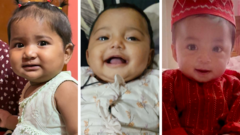
Hospitals like the Medical College Hospital in Mymensingh are overcrowded, with families forced to use hallways for accommodation due to a lack of space. Only the most severe cases, such as four-month-old Arafat, receive hospital beds. Arafat’s father, Mohammad Alam Mia, described the difficult conditions as he watched his son struggle with pneumonia and heart failure, complications arising from measles.
Factors Contributing to the Outbreak
UNICEF's spokesperson in Bangladesh, Miguel Mateos Muñoz, identifies a combination of factors leading to the outbreak, including delays in vaccine procurement due to political instability. The interim government, led by Muhammad Yunus, faced criticism for not ordering vaccines promptly, opting instead to restructure procurement processes. As a result, the new government under Tarique Rahman claimed to have inherited a vaccine shortage upon taking office.
Contributing to the crisis were interruptions in routine vaccinations due to the COVID-19 pandemic and the lack of mass vaccination campaigns since 2020. Additional factors such as overcrowding and increased travel during the Eid holidays compounded the situation.
International Comparisons
Bangladesh is not alone in facing a measles resurgence. The United Kingdom, once free of the disease, and the United States have also seen increases in measles cases, reflecting a broader global challenge in maintaining high vaccination coverage.
Emergency Response and Ongoing Challenges
In response to the outbreak, the Bangladeshi government and UNICEF launched an emergency vaccination campaign, reaching over 18.4 million children as of now. Despite these efforts, the country continues to report nearly 1,000 new cases daily.
Public health experts, including Mushtuq Husain, argue that the situation is more severe than officially acknowledged, describing it as an epidemic rather than an outbreak. He stresses the urgent need for continued vigilance and vaccination efforts.
Tragic Consequences
The human toll of the crisis is highlighted by stories like that of Maliha, a 10-month-old who succumbed to the disease after struggling to find appropriate medical care. Her parents, Mosammat Nila Akhter and her husband, experienced firsthand the systemic challenges in accessing timely healthcare amidst the outbreak.
The loss of children like Arafat and Maliha underscores the critical importance of maintaining robust vaccination programs and addressing healthcare infrastructure gaps. As Bangladesh continues to battle this preventable disease, the need for global and local cooperation in public health initiatives remains more vital than ever.
Source: Original Article