Suspect's Actions Prior to Incident Examined in Court
The court has been presented with evidence regarding the actions of Tyler Robinson, who is accused of fatally shooting Charlie Kirk at a college event last year. The hearing aims to determine if there is sufficient evidence to proceed to trial. Robinson, aged 23, has not entered a plea, and his defense team has challenged many aspects of the prosecution's evidence.
Preliminary Hearing Details
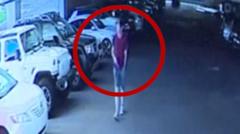
During the second day of the preliminary hearing, the court reviewed video footage and testimonies related to Robinson's alleged activities on the day of the shooting at Utah Valley University. According to David Hull, the lead investigator from Utah's Bureau of Investigation, Robinson was seen on the campus several hours before the incident. The footage reportedly shows him purchasing a meal from Chick-fil-A and interacting with staff members associated with Kirk's Turning Point USA organization.
Prosecutors allege that Robinson later changed clothes and returned to the campus, where he was seen limping and moving towards the building where the shooting occurred. The video also shows a man, purportedly Robinson, jumping from the roof with an object in hand shortly after the shooting, and leaving the campus area.
Defense's Counterarguments
Robinson's defense, led by attorney Kathy Nester, has been actively questioning the validity of the evidence presented by the prosecution. Nester highlighted inconsistencies in the evidence, such as the absence of shell casings on the rooftop, and noted that another weapon was found on campus on the day of the shooting. Additionally, some witnesses described a different individual as the suspect, while others mentioned seeing a bald man driving the vehicle linked to Robinson in the footage.
The defense has also raised concerns about the editing of surveillance footage and the absence of the original videographers for cross-examination. These objections reveal a glimpse into the defense's strategy, which has remained largely undisclosed since Robinson's arrest.
Forensic Evidence and DNA Analysis
As the hearing continued, Jennifer Faumuina, a sergeant with the state bureau of investigation, provided testimony regarding DNA evidence collected from various items found at the crime scene, including a screwdriver and a rifle. An FBI report was introduced, linking the DNA to Robinson and his roommate, Lance Twiggs, who has cooperated with the investigation.
The defense questioned Amanda Bakker, an FBI forensic analyst who signed the DNA report, regarding the procedures and potential errors in DNA testing. This line of questioning aimed to cast doubt on the reliability of the forensic evidence presented by the prosecution.
Next Steps in the Judicial Process
The hearing is set to conclude on Friday, after which Judge Graf will decide if the case should proceed to trial based on the strength of the evidence. Unlike a full trial, this preliminary hearing only requires the prosecution to demonstrate reasonable grounds for a trial, rather than proving guilt beyond a reasonable doubt.
Source: Original Article