Fuel Shortages Impact Russian Daily Life
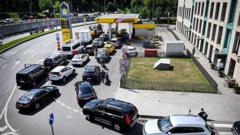
As Russia grapples with a significant fuel shortage, the effects are visible across the nation, particularly in its capital, Moscow. Long queues of vehicles at petrol stations have become common, with some stations running out of fuel entirely. This scenario is unusual for a country known for its rich oil resources.
In Moscow, residents express frustration rather than anger. Yekaterina, a local, mentioned the panic surrounding the situation, attributing it to concerns over oil availability. Elmar, another resident, highlighted the inconvenience of long wait times and rising fuel prices, which are affecting travel plans.
Economic and Geopolitical Context
Despite being one of the world's leading oil producers, Russia struggles to refine enough fuel to meet its domestic needs. This shortage is exacerbated by Ukrainian drone and missile strikes on Russian oil refineries, further darkening the skies over major cities like Moscow and St Petersburg. Andrei, who was waiting in line for fuel, pointed to geopolitical tensions as a factor in the crisis, expressing hope for peace talks.
Social media platforms are flooded with images of long lines and occasional altercations at petrol stations. In some areas, rationing is enforced, and authorities have even deployed Cossacks to maintain order. The crisis has also led to reduced public services in certain regions, with farmers fearing for their upcoming harvest.
Potential Political Repercussions
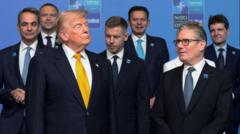
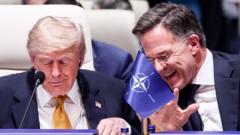
Amidst these challenges, questions arise about the political implications for the Kremlin. While NATO leaders speculate that economic turmoil could pressure President Vladimir Putin to reconsider his approach to the conflict in Ukraine, experts are skeptical. Putin has publicly acknowledged the fuel shortage but insists it is manageable, attributing it to Ukrainian attacks.
Despite efforts to mitigate the crisis by increasing fuel imports and allowing the sale of lower-grade fuel, public opinion appears to be shifting. Recent polls indicate a decline in Putin's approval ratings and growing pessimism about the Russian economy. The Levada Center reports a drop in public confidence regarding the country's direction, while a Gallup poll highlights increasing economic concerns among Russians.
Strategic Implications and Future Prospects
Economic analysts, like Christopher Weafer of Macro Advisory, suggest that the fuel crisis could be a significant factor affecting Russia's economic growth. He notes the rising costs of the ongoing conflict and predicts that the crisis will impact economic statistics in the coming months.
However, international affairs expert Nina Khrushcheva contends that Western expectations of political change in Russia due to internal pressure are unlikely to materialize. She argues that increased pressure might lead Putin to adopt more aggressive measures rather than concessions.
Despite the internal and external pressures, Putin's recent actions suggest a firm stance on the conflict. He has been seen in military attire, asserting military successes and promising to expand Russian control. The Kremlin's focus on analyzing the involvement of Ukraine's European allies in the conflict indicates a strategic approach to future decisions.
Source: Original Article