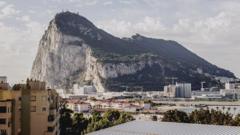
Gibraltar Prepares for Historic Change
Gibraltar is on the brink of a significant transformation as it prepares to remove its longstanding border controls with Spain, a change set to take effect from July 15. For Shilpi Chotrani, who commutes daily from La Línea de la Concepción in Spain to Gibraltar, this development is eagerly anticipated. The removal of the border is expected to facilitate smoother movement for the approximately 15,000 Spaniards who cross daily to work in Gibraltar.
Impact on Local Communities
Gibraltar, a British Overseas Territory with around 40,000 residents, has relied on its border control for managing entry and exit. The removal of these controls is part of an agreement reached between the European Union and the United Kingdom following Brexit. This change will likely bring economic benefits, particularly for the neighboring Spanish town of La Línea de la Concepción, which faces high unemployment rates.
Juan Franco, the mayor of La Línea, highlights the local economic dependence on Gibraltar, noting that a significant portion of business revenue in the town comes from clients in Gibraltar. He anticipates positive economic impacts from the border's removal, which he views as a beneficial outcome of the post-Brexit negotiations.
Broader Economic and Political Implications
Gibraltar has consistently shown strong support for remaining in the EU, with 96% voting against Brexit in the 2016 referendum. Concerns over sovereignty claims by Spain and potential disruptions to trade were significant factors driving this stance. The new agreement aligns Gibraltar with the European customs union and the Schengen Area, easing travel and trade while requiring compliance with EU regulations.
Chief Minister Fabian Picardo describes the new arrangement as a transformative step for Gibraltar, promising increased economic activity and improved relations with Spain and the EU. He views the removal of border controls as the opposite of historical tensions, such as the blockade imposed by Spain in 1969 under Francisco Franco.
Challenges and Opportunities
While the removal of the border is seen as a positive development, it also introduces new challenges. Businesses in Gibraltar will need to adapt to a new tax regime, including a transaction tax starting at 15% and higher excise duties. John Isola, a local business owner, expresses relief over the resolution of Brexit issues but acknowledges the potential impact of new regulations on competitiveness.
As preparations continue, machinery has been dismantling the border fence, signaling the beginning of a new chapter in Gibraltar's history. Both Gibraltarians and residents of La Línea anticipate that the upcoming changes will foster a more integrated and prosperous region.
Source: Original Article