Massive Mourning Procession in Tehran
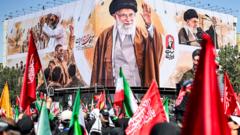
The recent three-day period of public mourning in Tehran for Ayatollah Ali Khamenei concluded with a large-scale political event that the current Iranian leadership clearly intended to be seen worldwide. The funeral procession, featuring the coffins of Khamenei and four family members, slowly traversed a 10-kilometer route, frequently halted by the immense crowds of mourners, marking one of the largest public gatherings in recent memory.
Symbolic Political Messages
The funeral events were meticulously organized to convey themes of resistance and vengeance. Monday’s march stood out as the most significant, with numerous mourners participating, despite many citizens choosing to stay away due to recent hardships. These include two wars within a year, inflation nearing 80%, and the lingering impact of anti-government protests earlier in the year. Some Iranians blame Khamenei for the harsh crackdown on protests, which resulted in numerous fatalities.
"Of course I'm not going to the funeral," commented one individual, highlighting the widespread dissatisfaction. "Many people are without work and unhappy," he added, speaking from one of the many rest stations set up to offer free food and water through private donations.
Political and Religious Significance
Aerial images of the procession showed Tehran’s main thoroughfares filled with grieving loyalists, chanting slogans against America and Israel. Iran's President Masoud Pezeshkian addressed the accusations of insincerity, countering US President Donald Trump’s remarks about "fake tears." The funeral proceedings will continue at sacred Shia sites, culminating in the burial at Imam Reza Shrine in Mashhad, Khamenei's birthplace.
Mohammad Eslami, a research fellow at Tehran University, commented on the broader implications of the funeral. "The ceremonies aim to portray him as a figure of enduring religious and political authority," he explained.
Controversial Legacy
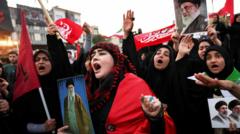
Opinions on Khamenei’s legacy are divided. Author Karim Sadjadpour suggests that Khamenei's revolution catered to a bygone world. The funeral procession featured caskets painted in Iran's national colors, including one for Khamenei's young granddaughter. All were victims of Israeli-American airstrikes. The color red, symbolizing martyrdom, dominated the mourning crowd, amplifying calls for revenge.
Posters targeting Trump were prominently displayed, as foreign journalists covered the event. An Iranian app encouraged slogans like "Our revenge is inevitable." A mourner named Mojtaba expressed hopes for vengeance, saying, "Soon, very soon you will see signs of revenge."
Future Challenges
Despite ritualistic calls for retribution, a government official noted real anger within the hardline factions opposing the US-Iran deal. Iran's new leadership faces economic challenges, needing to negotiate for sanctions relief. Government supporters frequently engaged with foreign media, urging them to "tell the truth," while some mourners whispered of the "real voices of revolution" heard in past protests.
As Iran transitions to a new era with its third Supreme Leader, Mojtaba Khamanei, who remains unseen since the airstrikes, uncertainty looms. His absence was noted during the funeral at the Grand Musalla mosque, amidst fears of further threats. A mourner expressed her hopes for his safety, reflecting the tension and anticipation within the nation.
The event also featured symbolic displays, like a massive clenched fist statue in Revolution Square, symbolizing defiance to adversaries. Lyse Doucet, reporting under restrictions, highlights the complex and charged atmosphere in Iran as it navigates this pivotal moment.
Source: Original Article