Escalating Tensions Over a Strategic Waterway
The United States and Iran find themselves embroiled in a heated dispute over the control of the Strait of Hormuz, a vital maritime corridor crucial for global oil transportation. This ongoing conflict threatens to undermine recent diplomatic efforts aimed at resolving their prolonged tensions.
Conflicting Claims Over Strait Control
Recent developments have seen both nations issuing conflicting statements regarding control over the strait. Over the weekend, Iranian authorities declared that the strait was effectively closed, asserting their control over the passage. In contrast, the US government refuted these claims, maintaining that the strait remains open and that Iran does not have jurisdiction over it.
Impact on Diplomatic Efforts
The rising tensions have cast uncertainty over a preliminary agreement that the US and Iran had reached in June. This agreement was intended to resolve their four-month-long conflict and ensure the reopening of the strait, which serves as a critical conduit for a significant portion of the world's oil supply.
Global Implications
The Strait of Hormuz plays an indispensable role in international trade, with approximately one-fifth of the world's petroleum passing through it. Any disruption to the flow of oil through this channel could have severe repercussions on global energy markets and economic stability.
Perspectives from the Region
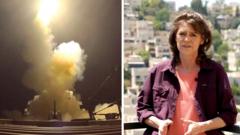
BBC correspondent Barbara Plett Usher, reporting from Jerusalem, provides insight into the regional dynamics at play. She highlights how the strategic importance of the strait amplifies the stakes involved for both the US and Iran, thereby complicating diplomatic negotiations.
Looking Ahead
As both nations continue to assert their positions, the international community watches closely, hoping for a peaceful resolution that will ensure stability in the region. The outcome of this dispute will likely influence future diplomatic relations and could set a precedent for how similar conflicts are managed in the future.
Source: Original Article