Transition of Power in Iran
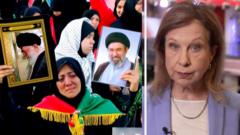
Iran has recently completed a series of mourning ceremonies following the death of their former supreme leader. The late Ayatollah Ali Khamenei, who was assassinated during the onset of the US-Israeli conflict, has been laid to rest. The delay in his funeral was due to ongoing tensions and violence that also claimed other prominent Iranian figures.
New Leadership Emerges
In the wake of this loss, Iran's leadership has transitioned to Khamenei's son, Mojtaba, who has now assumed the position of supreme leader. Notably, Mojtaba has remained out of the public eye after reportedly being injured in the same attack that killed his father.
Challenges Ahead
The new leadership faces numerous challenges, both domestically and internationally. Domestically, Iran grapples with economic instability and social unrest, issues that were already present but have been exacerbated by recent events. Internationally, the ongoing conflict involving the United States and Israel poses significant diplomatic and strategic challenges for Iran.
Strategic Considerations
One immediate concern for Iran's new leadership is determining how to navigate the complex geopolitical landscape. This includes addressing the nation's strained relations with Western countries and managing alliances within the region. The approach taken by Mojtaba Khamenei will be crucial in shaping Iran's future.
Internal Dynamics
Within Iran, the leadership transition may also lead to shifts in domestic policies and priorities. There is speculation about how Mojtaba's leadership style will differ from his father's and what this means for Iran's political climate. Observers are particularly interested in how the new leader will address calls for reform and manage internal dissent.
Regional Implications
Iran's leadership change is likely to have ripple effects throughout the Middle East. The country's role in regional conflicts and its influence on neighboring states are areas of focus as the new leader establishes his position. The response of regional and global powers to these changes will be critical in determining the stability and security of the region.
Overall, the transition marks a significant turning point for Iran, and the coming months will reveal how the new leadership plans to address both internal and external challenges.
Source: Original Article