Large Crowds Gather in Mashhad for Khamenei's Burial
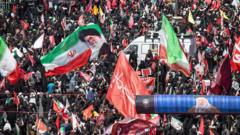
Thousands of people filled the streets of Mashhad for the burial of Iran's late supreme leader, Ayatollah Ali Khamenei. The ceremony took place at the Imam Reza shrine, a significant Shia Muslim site, concluding six days of public mourning held across various cities in Iran and Iraq.
State-Reported Burial Amidst International Tensions
According to Iran's state news agency IRNA, the burial occurred following a series of conflicts between Iran and the United States, which risk hindering a tentative agreement aimed at ending the ongoing war. The Iranian Revolutionary Guards accused the US of targeting critical infrastructure to disrupt the funeral proceedings.
Ayatollah Khamenei and his family members were killed in an Israeli strike in Tehran on February 28, the initial day of Iran's hostilities with the US and Israel. His successor, Mojtaba Khamenei, did not attend the funeral due to injuries from the same attack.
Processions and Public Mourning
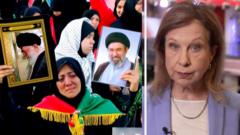
The funeral procession began with a plane bringing the coffins of Khamenei and his family from Iraq, where ceremonies were conducted at Shia shrines in Najaf and Karbala. In Mashhad, television footage showed thousands of mourners, many dressed in black and carrying flags and banners, parading through the city.
Amid chants and placards, some attendees called for retribution against US President Donald Trump and Israeli Prime Minister Benjamin Netanyahu, who were involved in the strike triggering the conflict. Slogans like "We must rise" were prominently displayed.
Funeral Procession to Imam Reza Shrine
The procession continued with Khamenei's coffin transported slowly towards the Imam Reza shrine, eventually reaching the site under the cover of night. Imam Reza is a revered figure, with his mausoleum being a major pilgrimage destination.
Khamenei's Legacy and Impact
Born in Mashhad, Khamenei was educated in local seminaries before moving to Qom. He became Iran's supreme leader in 1989, following Ayatollah Ruhollah Khomeini. His tenure was marked by a strong hold on political and military affairs, often employing uncompromising approaches towards internal and external challenges.
Iran's leadership intended the funeral to showcase national unity and resilience, despite the war's heavy toll and recent protests. The mourning period, however, coincided with renewed US-Iran hostilities.
Ongoing US-Iran Tensions
US President Trump warned of escalating strikes against Iran, aimed at hindering its capabilities in the Strait of Hormuz. In retaliation, Iran targeted US facilities in the Gulf region.
Recently, both nations agreed on a memorandum to end hostilities and negotiate a comprehensive deal over Iran's nuclear ambitions and US sanctions. Despite some progress in mediated talks, Trump declared the agreement "over," casting doubt on future diplomatic resolutions.
Source: Original Article