Record-Breaking Sale: T. Rex Fossil Fetches Historic Price at Auction
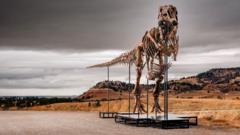
A Tyrannosaurus rex fossil, estimated to be 67 million years old, has been sold at a Sotheby's auction in New York for an astounding £37.4 million ($50.1 million). This transaction marks the highest amount ever paid for a dinosaur fossil.
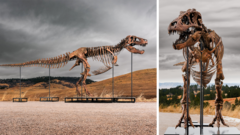
The fossilized remains of this iconic predator stand over 12 feet (approximately 4 meters) in height. With more than 60% of its bones recovered, Sotheby's has described it as one of the "most complete" T. rex specimens known. The identity of the purchaser who secured the specimen during the Tuesday auction has not been disclosed.
Affectionately named Gus, the T. rex was unearthed in 2021 on a secluded ranch in South Dakota, USA. Cassandra Hatton, Sotheby's worldwide head of science and natural history, remarked, "This result has been years in the making. Gus is not only an exceptional find but a specimen that's been excavated, documented, prepared, and cared for with real excellence."
This sale surpassed the previous record held by a stegosaurus fossil sold in 2024 and is the first to cross the $50 million mark. Some experts suggest this auction may signal a new trend where ultra-wealthy collectors invest heavily in rare fossils.
The excavation of Gus's remains occurred over three summers, from 2021 to 2023, due to the need for warmer temperatures to soften the ground. Once collected, it took an additional three years of laboratory work to reassemble the fossil. This process revealed several noteworthy injuries on the skull, including bite marks and healed rib fractures, indicating possible past encounters with other dinosaurs or scavenging incidents.
While the new owner remains anonymous, there is a possibility that Gus could be displayed in a museum. For instance, the previous record-holder, a stegosaurus named Apex, was loaned to the American Natural History Museum by its billionaire owner, Kenneth Griffin, for four years.
As the fossil collecting market evolves, the public may soon see more such valuable specimens made available for educational display, despite their private ownership.
Source: Original Article